Syndemic Approach Resource Hub
Connecticut’s syndemic tools and resources in one place, first shown on the tables at the 2026 Syndemic Summit. Tap any tile to see its links, materials, and who to contact. Scan the code on any banner and you land here.

No. 01 of 14
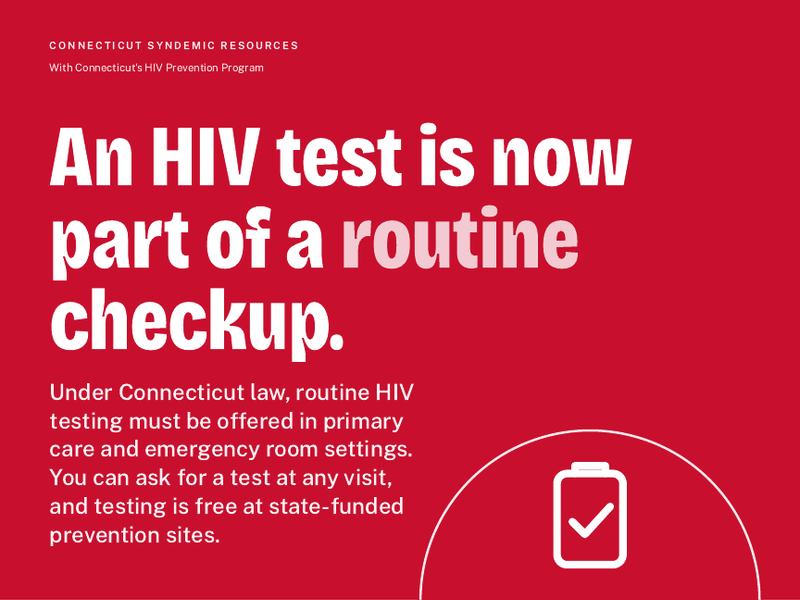
T.E.S.T. CT
Routine HIV testing is for everyone 13 and older. Ask for a test at any primary care or emergency room visit; a rapid test takes about 20 minutes.
Links and materials
No. 02 of 14
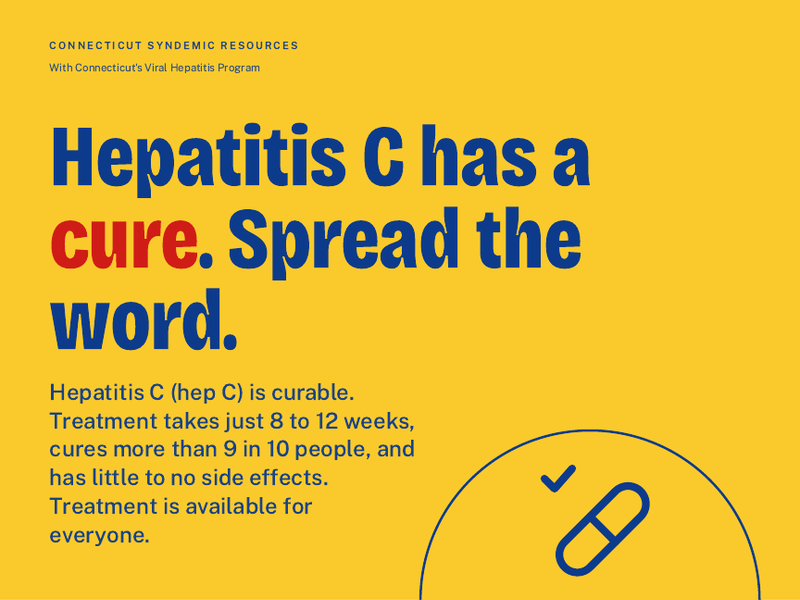
Hepatitis C cure
Hep C is curable. Treatment takes 8 to 12 weeks, cures more than 9 in 10 people, and has little to no side effects. Treatment is available for everyone.
Links and materials
- CT DPH Viral Hepatitis pageCT DPH hep C screening information, free testing sites, Connecticut data, and moreportal.ct.gov/DPH/AIDS–Chronic-Diseases/Hepatitis/Viral-Hepatitis
- End the Syndemic CT viral hepatitis pageConnecticut Hep C Elimination Plan, the list of providers who treat hep C, brochures in English and Spanish, and other resourcesendthesyndemicct.org/epidemics/viral-hepatitis
- For providers: reportable diseases and the PD-23 formCT DPH Provider Reportable Diseases page: hep C is a Category 2 reportable disease; the page explains how to report and links the PD-23 case report formportal.ct.gov/dph/infectious-diseases/reportable-diseases/provider-reportable-diseases
- For providers: Reportable Infectious Diseases Reference Manual (RIDRM)CT DPH reference manual for reportable infectious diseasesportal.ct.gov/dph/epidemiology-and-emerging-infections/eeip-ridrm–home-page
No. 03 of 14
Syndemic screener
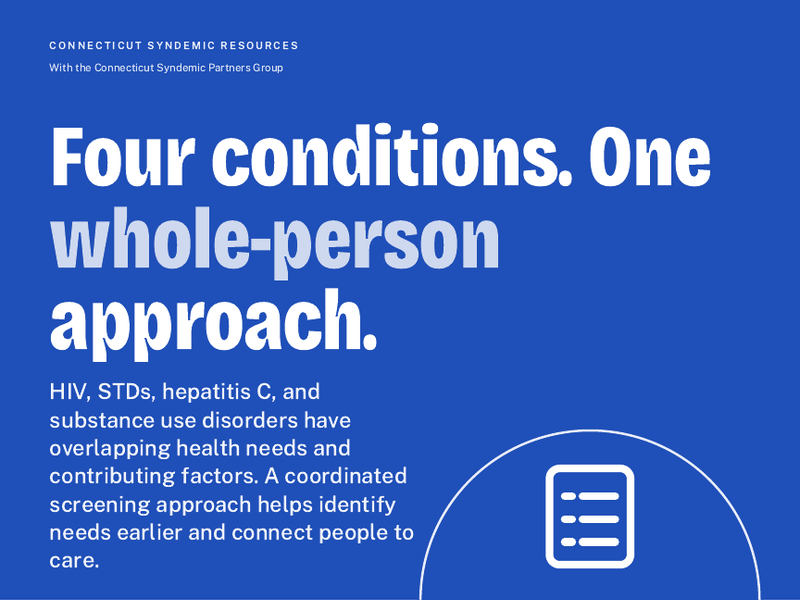
HIV, STDs, hepatitis C, and substance use disorders have overlapping needs. A short screening tool identifies them together and points every answer to a next step.
No. 04 of 14
STD toolkit
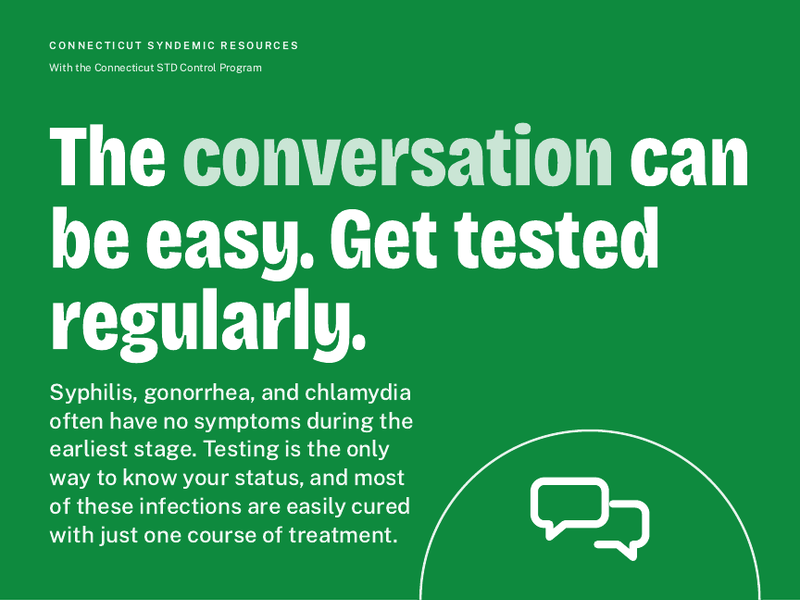
Syphilis, gonorrhea, and chlamydia often have no symptoms early. Testing is the only way to know, and most are cured with one course of treatment.
Links and materials
- STD toolkit for healthcare providersPatient brochures in English and Spanish, a syphilis fact sheet, a sexual health palm card, and a sexual history fact sheetendthesyndemicct.org/resources
- Connecticut STI pageFacts, prevention, and treatment information from End the Syndemic CTendthesyndemicct.org/epidemics/sti
- Find a testing siteCDC locator for free, confidential testing near yougettested.cdc.gov
No. 05 of 14
PrEP
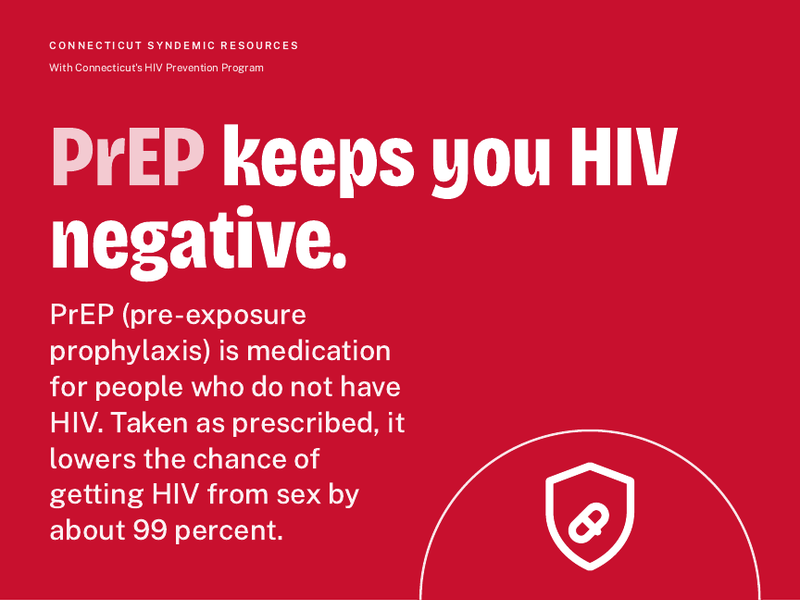
PrEP is medication for people who do not have HIV. Taken as prescribed, it lowers the chance of getting HIV from sex by about 99 percent. PrEP is for everyone.
No. 06 of 14
HIV home test
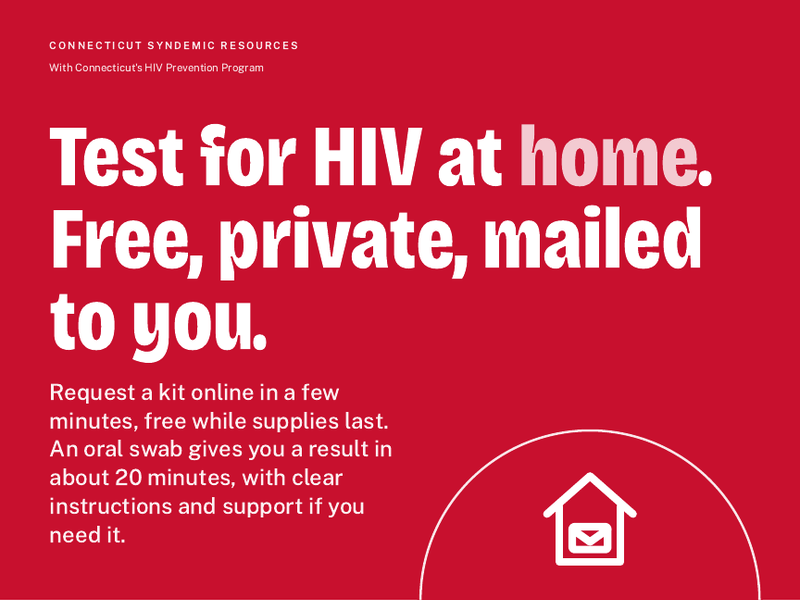
Request a free kit online in a few minutes, while supplies last. An oral swab gives a result in about 20 minutes.
No. 07 of 14
AETC training
The New England AETC trains healthcare professionals on HIV, hepatitis C, STDs, PrEP, substance use, and more, in person or online.
Links and materials
- New England AETCFree training for healthcare professionals across New Englandneaetc.org
- Connecticut AETCThe Connecticut Local Partner site at Yale School of Medicineaetcct.org
- Training calendarUpcoming trainings and conferencesneaetc.org/training-and-conferences/upcoming
- Connecticut Local Partner contactContact information for the Connecticut Local Partner at Yale School of Medicineneaetc.org/local-partners/ct-yale-university
- National Clinician Consultation CenterFree clinician-to-clinician consultation, 844-ASK-NCCC (844-275-6222)nccc.ucsf.edu
No. 08 of 14
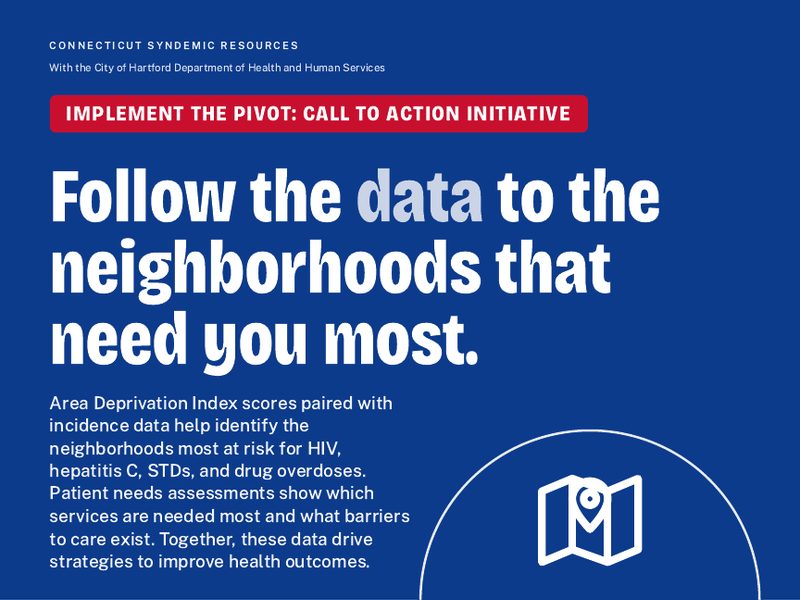
Implement the Pivot
Area Deprivation Index scores paired with incidence data identify the neighborhoods most at risk. Patient needs assessments show what services are needed and what barriers exist.
Links and materials
- Hartford HHS Disease Prevention and Health PromotionThe City of Hartford’s page for this workhartfordct.gov/Government/Departments/HHS/HHS-Divisions/Disease-Prevention-and-Health-Promotion
- Neighborhood AtlasFree Area Deprivation Index mapsneighborhoodatlas.medicine.wisc.edu
- HIV Resource HubNational, HRSA-supported library of tools and training for Ryan White HIV/AIDS Program agencies (formerly TargetHIV)hivresourcehub.org
Campaign photos




No. 09 of 14
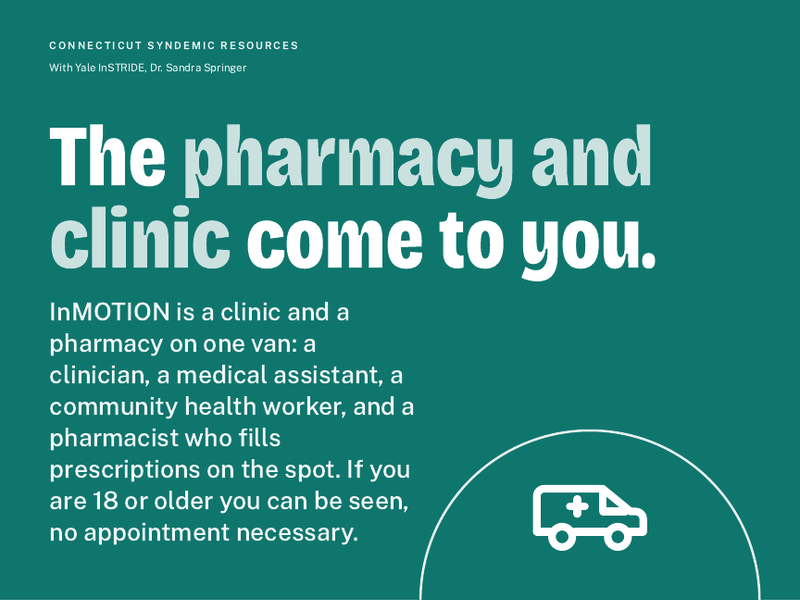
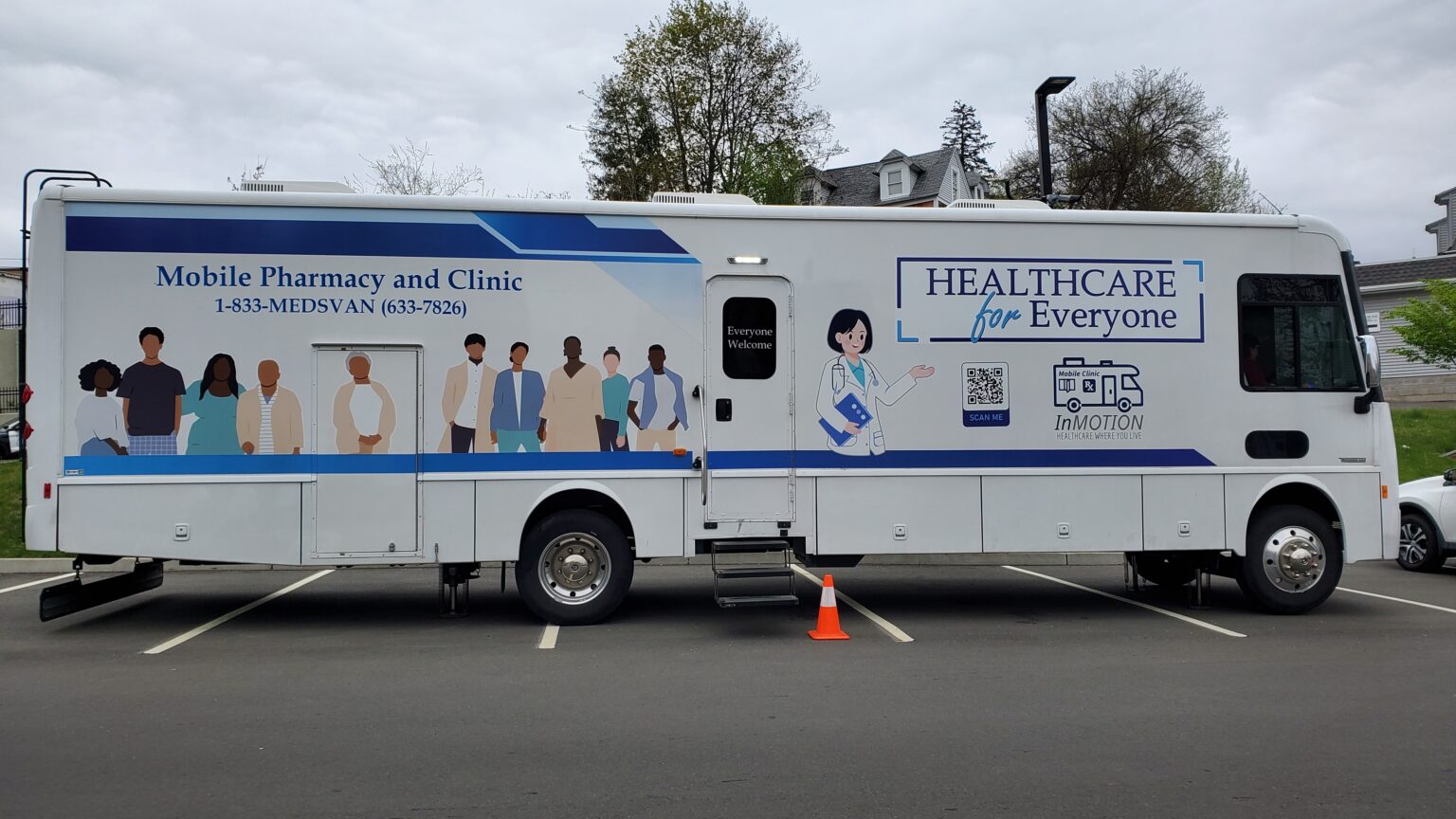
InMOTION mobile pharmacy
A clinic and a pharmacy on one van: clinician, medical assistant, community health worker, and pharmacist. If you are 18 or older you can be seen, no appointment necessary.
Photo of the van

No. 10 of 14
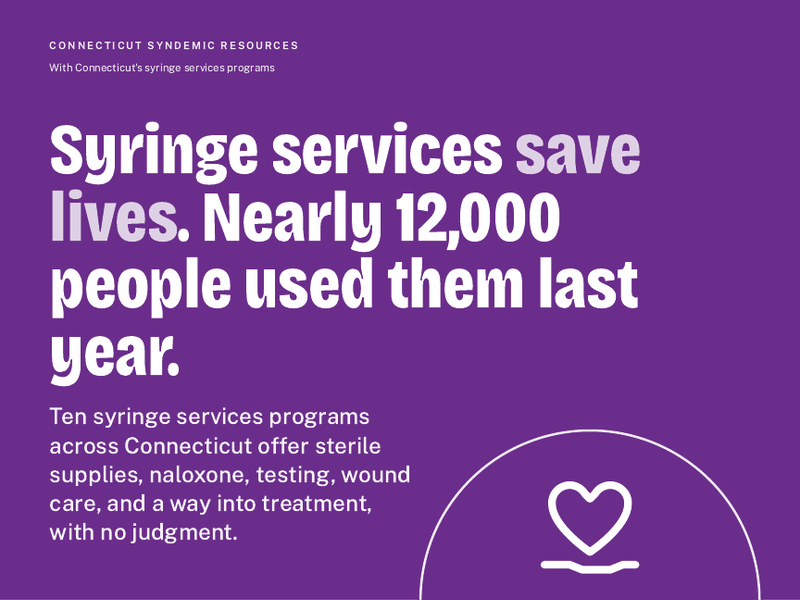
Syringe services
Programs across Connecticut offer sterile supplies, naloxone, testing, wound care, and a way into treatment, with no judgment.
Links and materials
- Connecticut syringe services programs list (PDF)CT DPH list, November 2026: each program’s address, phone, and contact.PDF, 3 pages, 0.2 MB
- Never Use AloneCall 1-800-484-3731 and someone stays on the phone while you useneverusealone.com
- How to get naloxoneDMHAS naloxone page: get it at most pharmacies without a prescription, or free from community and harm reduction programsportal.ct.gov/dmhas/programs-and-services/opioid-treatment/naloxone
- 211 ConnecticutDial 2-1-1 from any phone in Connecticut, or search the site, to find local services211ct.org
No. 11 of 14
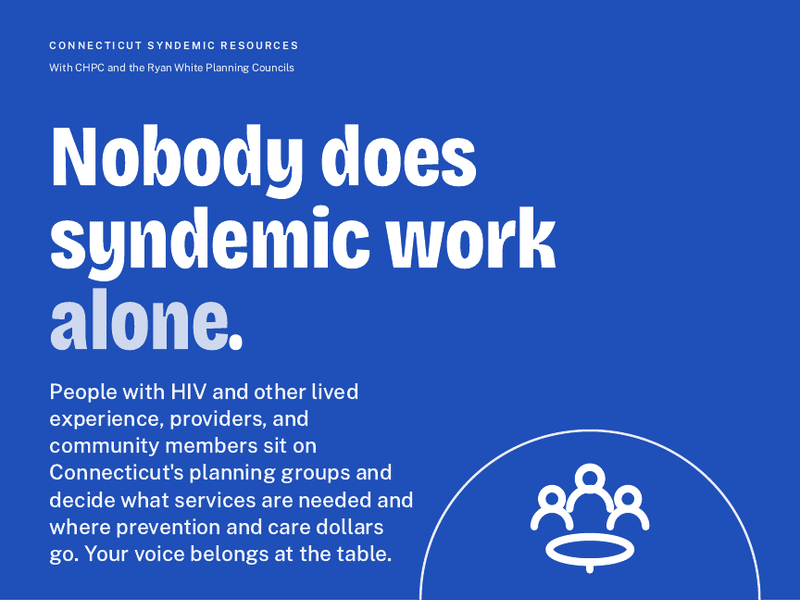
Planning groups
People with lived experience, providers, and community members sit on Connecticut’s planning groups and decide where prevention and care dollars go. Meetings are open to the public.
Links and materials
- Connecticut HIV Planning Consortium (CHPC)Statewide planning group, open to the public. See the site for the meeting calendar and committees.cthivplanning.org
- Contact CHPCAsk about meetings or joining a committeecthivplanning.org/contact-us
- Ryan White Part A Planning Council, Greater HartfordServes Hartford, Tolland, and Middlesex counties. See the site for the meeting calendar and contact information.ryanwhitehartford.info
- New Haven/Fairfield Counties Ryan White Planning CouncilServes New Haven and Fairfield counties. See the site for the meeting calendar and contact information.nhffryanwhitehivaidscare.org
- Get Involved, End the Syndemic CTOverview of Connecticut’s planning groups and how to take partendthesyndemicct.org/get-involved
No. 12 of 14
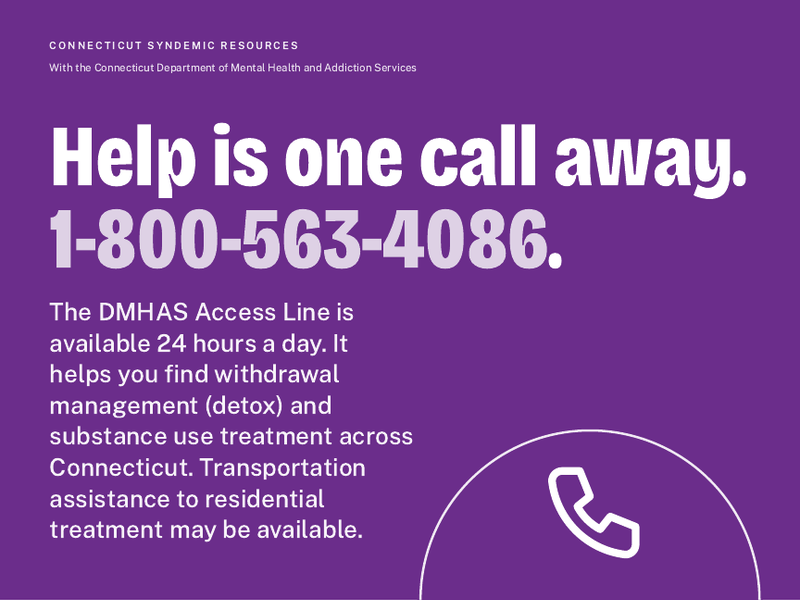
DMHAS Access Line
The DMHAS Access Line is available 24 hours a day to find withdrawal management (detox) and substance use treatment across Connecticut. Transportation assistance to residential treatment may be available.
No. 13 of 14
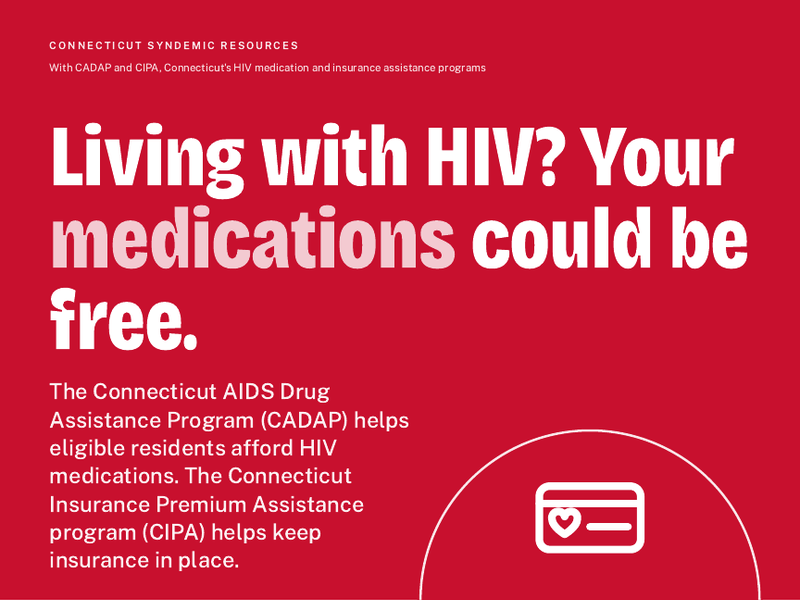
CADAP and CIPA
CADAP helps eligible residents afford HIV medications. CIPA pays up to $2,500 a month in health insurance premiums so coverage does not lapse.
No. 14 of 14
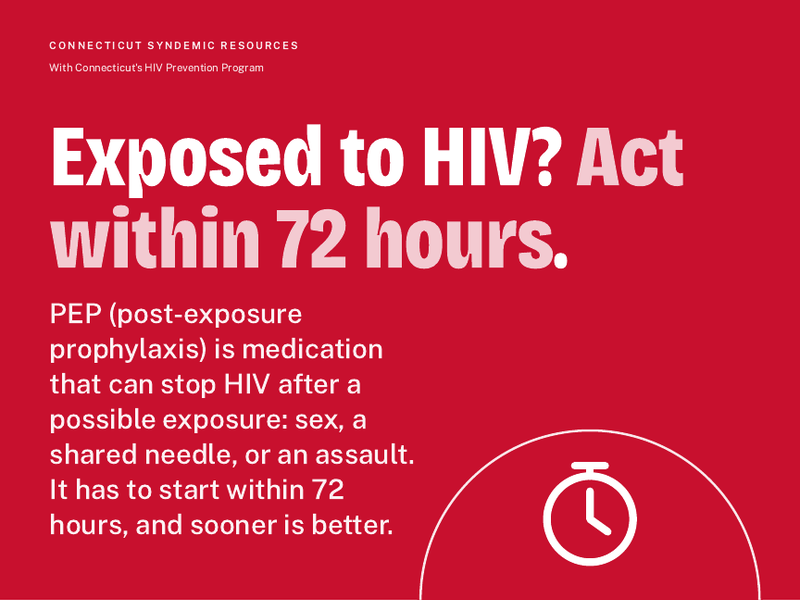
PEP
PEP is medication that can stop HIV after a possible exposure. It has to start within 72 hours, and sooner is better. Any emergency room or urgent care can start it.